

You don’t see great web design. You feel it. From immersive visuals that captivate users to minimalist UX that streamlines the user journey, a well-designed website creates an intentional experience. To better understand how leading brands are using cutting-edge design to enhance both aesthetics and performance, let’s break down some of the top modern website design trends. We’ll analyze real-world website examples that bring these concepts to life, as well as provide actionable tips to help you implement these strategies effectively. Whether you’re a designer seeking inspiration, a marketer planning a website refresh, or a business owner looking to build the best website in your industry, let’s explore the creative possibilities that can transform your digital presence into a truly memorable user experience.
Designer reviewing website mockup on digital devices, illustrating successful web design trends and responsive UX planning
Trend #1 – Bold Typography and Big Statements
The first trend you should be aware of is the increasing use of large typefaces and oversized headlines. These designs are currently dominating homepages across the web. It goes far beyond simple readability; by using huge fonts, kinetic (moving) text, and expressive letterforms, marketers are making bold, immediate statements. This approach works because it delivers a core message almost instantly, establishes a clear visual hierarchy, and reinforces strong brand identity.
Some of the most compelling examples of modern website design demonstrate how typography can serve as the primary visual element, capturing attention and conveying a brand’s personality at first glance. For the best website design results, thoughtful font pairing is crucial, and accessibility must be a priority. The high contrast and easy legibility of bold typography make these powerful website designs effective for all users.
Trend #2 – Scroll-Triggered Animation & Microinteractions
Microinteractions and animations activated by scrolling are changing static pages into dynamic narratives, creating a more interactive and engaging experience without overwhelming users. These subtle effects are powerful website design ideas that guide the user’s journey down the page. As you scroll, elements can fade in, images can shift in a parallax effect, and data visualizations can build themselves into interactive infographics.
The best websites use these animations to add a layer of sophistication and charm. This approach significantly boosts user engagement by making information more digestible and memorable. Tools like GSAP (GreenSock Animation Platform) and Lottie allow developers to implement complex, high-performance animations that are both lightweight and scalable across devices. This dynamic movement reinforces brand personality and makes a site feel more responsive and alive. When executed thoughtfully, scroll-triggered animations provide a clear user experience (UX) benefit, turning a decent website into a great one.
Trend #3 – Minimalist Design with Maximal Impact
Clean layouts, generous whitespace, and simple navigation. Minimalist designs continue to dominate the digital landscape, proving that less is often more when paired with strong branding and strategic calls-to-action (CTAs). This “minimalist design with maximal impact” approach relies on structured grid systems, a restrained color palette, and a clear visual hierarchy to guide users effortlessly to what matters most.
By removing unnecessary clutter, the best web design prioritizes usability and fast performance, ensuring that visitors can find information without distraction. To create minimalist layouts that actually convert, designers should focus on high-contrast elements and intentional spacing that draws the eye directly to key actions.
Trend #4 – Responsive Web Design as the Standard
Responsive design is no longer optional; it is expected. Today’s users in South Africa and globally demand websites that function seamlessly across desktops, tablets, and smartphones.
Meeting this standard requires:
- Flexible grid systems
- Media queries tailored to device types
- A mobile-first design approach
By designing for smaller screens first and scaling up, you ensure the core experience works for every user.
Adopting responsive design also directly impacts business outcomes. Search engines prioritise mobile-friendly sites, making responsiveness essential for SEO success. A seamless mobile experience reduces bounce rates and improves conversions. Tools like Chrome DevTools and Figma’s breakpoint features help refine layouts, ensuring a consistent experience across all devices.
Trend #5 – Accessibility-First Design
Modern websites are increasingly built with accessibility as a core requirement—not an afterthought. In South Africa, accessibility aligns with inclusive digital practices and global standards such as WCAG (Web Content Accessibility Guidelines).
This involves:
- Ensuring sufficient colour contrast
- Providing descriptive alt text for images
- Using semantic HTML
- Enabling full keyboard navigation
By prioritising accessibility from the start, you create websites that are usable by everyone, including people with disabilities.
As a leader in this space, Ecstatic Web has a proven track record of building accessible, high-performance websites. Their approach integrates inclusive design principles into every project, ensuring both compliance and exceptional user experience.
Trend #6 – Real-Time Interactivity and Dynamic Content
Personalisation and dynamic elements—like interactive forms, calculators, and live filters—are becoming essential tools for engagement.
Examples include:
- Instant product filtering
- Real-time quote calculators
- Interactive surveys with live results
These features transform passive browsing into active engagement. Using frameworks like React or Vue alongside animation libraries enables smooth, responsive experiences.
However, performance and accessibility must remain priorities. When done correctly, real-time interactivity enhances usability without slowing down the site.
Trend #7 – Storytelling Through Scrolling Experiences
Scroll-based storytelling uses motion, layering, and transitions to guide users through a narrative. This transforms websites into immersive journeys, where users control the pace of discovery.
This approach is ideal for:
- Brand storytelling
- Campaign pages
- Product launches
By combining design and narrative, businesses can create memorable emotional connections. Ecstatic Web specialises in crafting these experiences, blending creative direction with technical precision.
Real Website Examples to Inspire Your Next Project
Red Gold Tomatoes
A modern redesign consolidated multiple domains into one seamless platform, improving navigation, SEO, and user engagement across both consumer and B2B audiences.
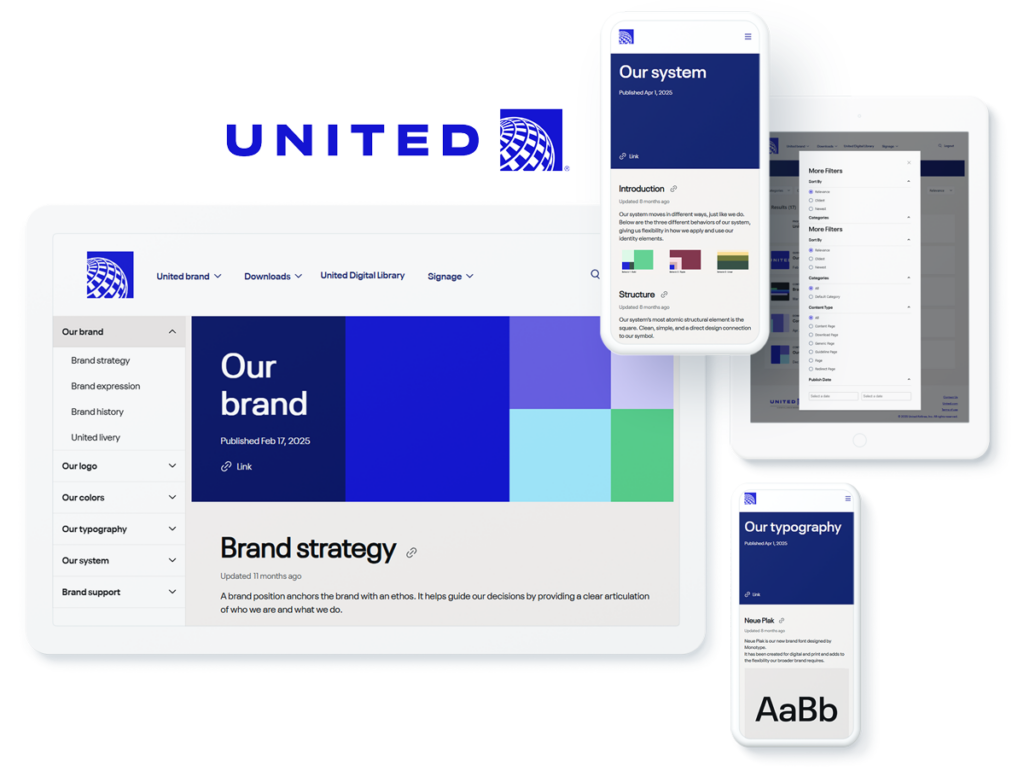
United Airlines Brand Hub
A centralised platform improved brand management and asset accessibility using advanced search and modular architecture.
Colorado State University
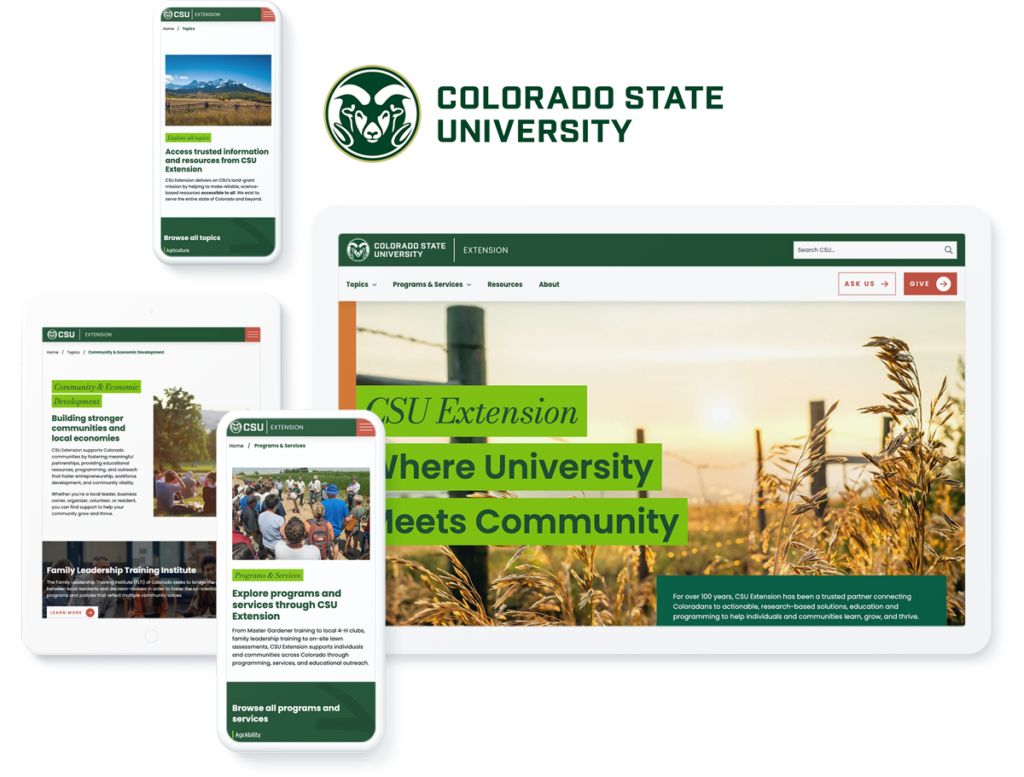
A multisite platform enhanced user experience and content management efficiency, enabling rapid site deployment with consistent branding.
Nevco Sports
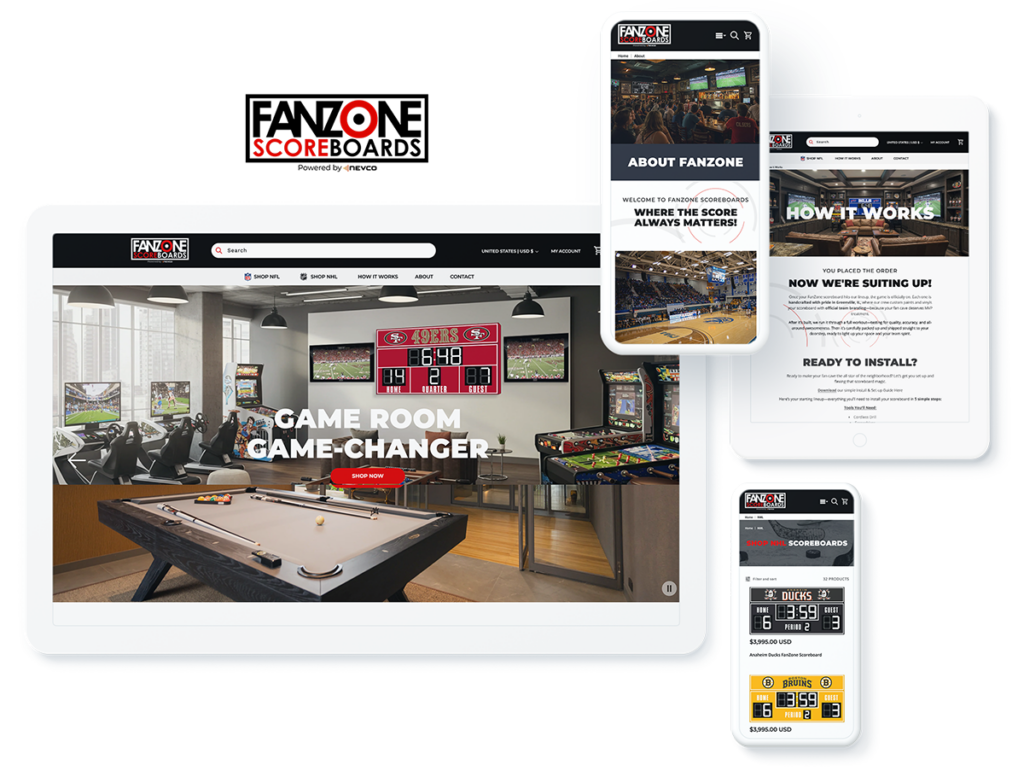
An ecommerce-focused redesign improved user engagement and streamlined the online shopping experience.
Browse examples like these to inspire your own project. Each demonstrates how strategic design directly supports business goals through a balance of aesthetics and functionality.
How Ecstatic Web Helps You Build the Best Website Design
Ready to redesign your website? Ecstatic Web builds modern, high-performing websites tailored for businesses in South Africa and beyond.
Their approach combines:
- Strategic UX design
- SEO optimisation
- Mobile-first development
- Accessibility compliance
Whether you’re a startup or an established enterprise, their team delivers solutions designed to achieve measurable results. From concept to launch, they act as your dedicated digital partner.
Final Thoughts: Web Design That Works and Wows
Great design isn’t about chasing trends—it’s about choosing the right ones strategically. The best websites are not only visually impressive but also intuitive, purposeful, and built to perform.
By combining creativity with usability and performance, you can create a digital experience that truly reflects your brand and drives real results.
If you’re ready to bring your vision to life, connect with Ecstatic Web and start building a website that works—and wows.
FAQs
What is the most popular web design trend right now?
Bold typography and oversized text remain the most impactful trend, allowing brands to communicate messages instantly and effectively.
How do I make my website look modern?
Focus on clean layouts, strong typography, quality visuals, and subtle animations that guide user interaction.
Why is responsive design important?
It ensures your site works across all devices, improving user experience and boosting SEO performance.
What are some examples of minimalist website design?
Minimalist sites use whitespace, simple navigation, and limited colour palettes to emphasise content and CTAs.
How do I improve website accessibility?
Use high contrast colours, add alt text, enable keyboard navigation, and structure content with semantic HTML.